


Legalities of Operating a Homestay in India with Homeyhuts
Understand the key legal requirements, registration processes, and state-wise regulations for running a homestay in India. A must-read for aspiring hosts and property owners.
Embarking on your homestay journey in India is an exciting step! Your warmth and hospitality have the potential to create unforgettable experiences for travelers. However, to ensure your enterprise thrives legally, getting acquainted with the governing regulations is vital. This comprehensive guide aims to light your path and help establish your homestay on a firm legal foundation.
National Guidelines and Their Implications:
- Incredible India Bed and Breakfast/Homestay Establishment Scheme: Introduced by the Ministry of Tourism, this initiative seeks to provide a framework for homestays across India. Key features include:
- Registration process:
- https://tourism.gov.in/schemes-and-guidelines/guidelines/incredible-india-bed-breakfast-guidelines
- https://nidhi.tourism.gov.in/uploads/gallery/1659456723.pdf
- Room Limitations: Allows letting out a minimum of one and a maximum of six rooms on your property.
- Implications: While not every state mandates compliance with this scheme, registration offers advantages such as increased visibility and potential marketing support through the Ministry of Tourism. However, always prioritize understanding and complying with your state's specific regulations.
State-Specific Homestay Registration and Licensing Requirements:
Do a google search for (<Your state Name> - Tourism Development Corporation homestay, bed and breakfast regulations)
- Crucial Differences: Be aware that each state within India has its distinct approach to regulating homestays. To avoid penalties or even homestay closure, careful attention to individual state guidelines is required.
- Examples:
- Goa: Registration with the Goa Tourism Development Corporation (GTDC) is mandatory. https://goatourism.gov.in/homestay-tourism-policy/
- Karnataka: The state offers a comprehensive homestay licensing system with defined categories and associated fees. https://karnatakatourism.org/department/wp-content/uploads/2021/09/Operational-Guidelines-for-KTP-2020-25-Vol-3-Concessions-v14-Print.pdf
- Kerala: Registration falls under the state's Responsible Tourism Mission. https://www.keralatourism.org/latestfromkeralatourism/operationalrecommendations.pdf
- Essential Action: Diligently research regulations specific to your location. State tourism department websites, homestay associations, and professional consultations are excellent resources.
Understanding Taxes Applicable to Homestay Income:
- Taxability: The Income Tax Act of India considers income generated from your homestay operation as taxable revenue.
- Tax Brackets: The tax slabs you fall under, and consequently the percentage of tax payable, depend on your total annual income. Engaging a tax advisor for personalized guidance can be invaluable.
- GST Implications: The Goods and Services Tax (GST) has relevance for homestay services. Factors such as location, revenue threshold, and offered amenities, determine your GST liability. Again, professional advice is vital in navigating GST registration and compliance.
Important Permits and Clearances:
- Food License: Prepare and serve meals to your guests legally by obtaining a valid food license issued by the Food Safety and Standards Authority of India (FSSAI). This entails ensuring you meet required hygiene and safety standards.
- Fire Safety Clearance: Adhere to the National Building Code of India to ensure adequate fire safety provisions within your homestay property. Local fire departments typically manage inspections and issue fire safety clearances.
- Other Potential Permits: Municipal authorities or pollution control boards may require additional permits dependent on your specific services and location. Explore this thoroughly to prevent unforeseen setbacks.
Conclusion:
Aligning your homestay with legal requirements lays the groundwork for long-term success. This guide is a starting point; consulting local authorities, tax professionals, and legal experts remains vital for addressing your specific circumstances.
Resources:
National Guidelines:
- Incredible India Bed and Breakfast/Homestay Establishment Scheme: Unfortunately, there isn't a central website for the Ministry of Tourism's scheme currently. However, homestay hosts can:
- Search for "Incredible India Bed and Breakfast Scheme + [Relevant State]" - This often brings up state-specific tourism board information.
- Contact their regional Ministry of Tourism office directly for the latest guidance and registration processes.
State-Specific Resources: Official Tourism Website
Andhra Pradesh : https://tourism.ap.gov.in/contactus
Arunachal Pradesh : https://arunachaltourism.com/
Assam : https://assamtourism.gov.in/
Bihar: https://tourism.bihar.gov.in/
Chhattisgarh: http://www.chhattisgarhtourism.in/
Gujarat:https://www.gujarattourism.com/
Haryana: http://haryanatourism.gov.in/
Himachal Pradesh: https://himachaltourism.gov.in/
Jammu & Kashmir: https://www.tourismjk.in/
Jharkhand:https://tourism.jharkhand.gov.in/
Karnataka:https://www.karnatakatourism.org/
Kerala: https://www.keralatourism.org/
Madhya Pradesh: http://www.mptourism.com/
Maharashtra: https://www.mtdc.co/en/
Manipur: https://manipurtourism.gov.in/
Meghalaya: https://meghalaya.gov.in/dept/45
Mizoram:http://tourism.mizoram.gov.in/
Nagaland: https://tourism.nagaland.gov.in/
Odisha:https://odishatourism.gov.in/
Punjab: https://punjabtourism.punjab.gov.in/
Rajasthan:https://tourism.rajasthan.gov.in/
Sikkim:https://www.sikkimtourism.gov.in/
Tamil Nadu:https://www.tamilnadutourism.tn.gov.in/
Telangana:https://tourism.telangana.gov.in/
Tripura: https://tripuratourism.gov.in/
Uttar Pradesh: https://uptourism.gov.in/
Uttarakhand :http://uttarakhandtourism.gov.in/
West Bengal :http://www.wbtourismgov.in/
Taxes:
- Income Tax
- Act of India: While there's no specific link for homestay taxation, understanding income tax in general is useful. https://www.indiacode.nic.in/handle/123456789/2435?
- Goods and Services Tax (GST): https://www.gst.gov.in/
Permits:
- Food Safety and Standards Authority of India (FSSAI): https://www.fssai.gov.in/
- National Building Code of India: Bureau of Indian Standards: https://www.bis.gov.in/ (Code sections on fire safety)
Important Notes:
- Local Municipal Authorities: Hosts should directly contact their local municipal bodies for information on any additional permits required for business operation.
- Professional Consultations: Links cannot substitute for in-person guidance on complex tax matters or legal questions. Always encourage readers to seek personalized advice.
Was this article helpful?
Related in Homeyhuts App Tutorials
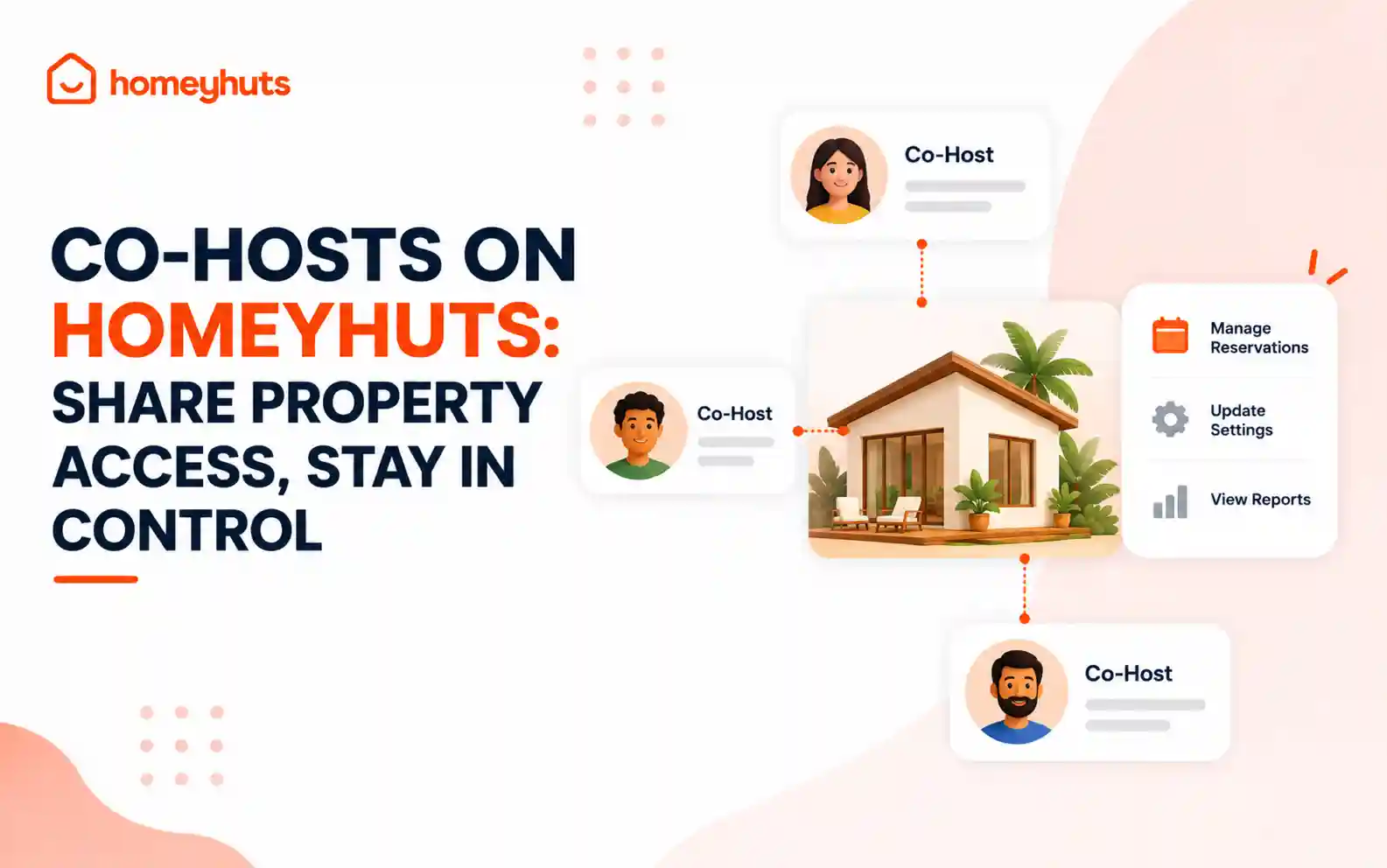
Co-Hosts on Homeyhuts: Share Property Access, Stay in Control
Invite up to 10 co-hosts to help manage your property on Homeyhuts. Choose exactly what each co-host can view or manage, customise their access at the listing level, and track their activity—all without sharing your login credentials.
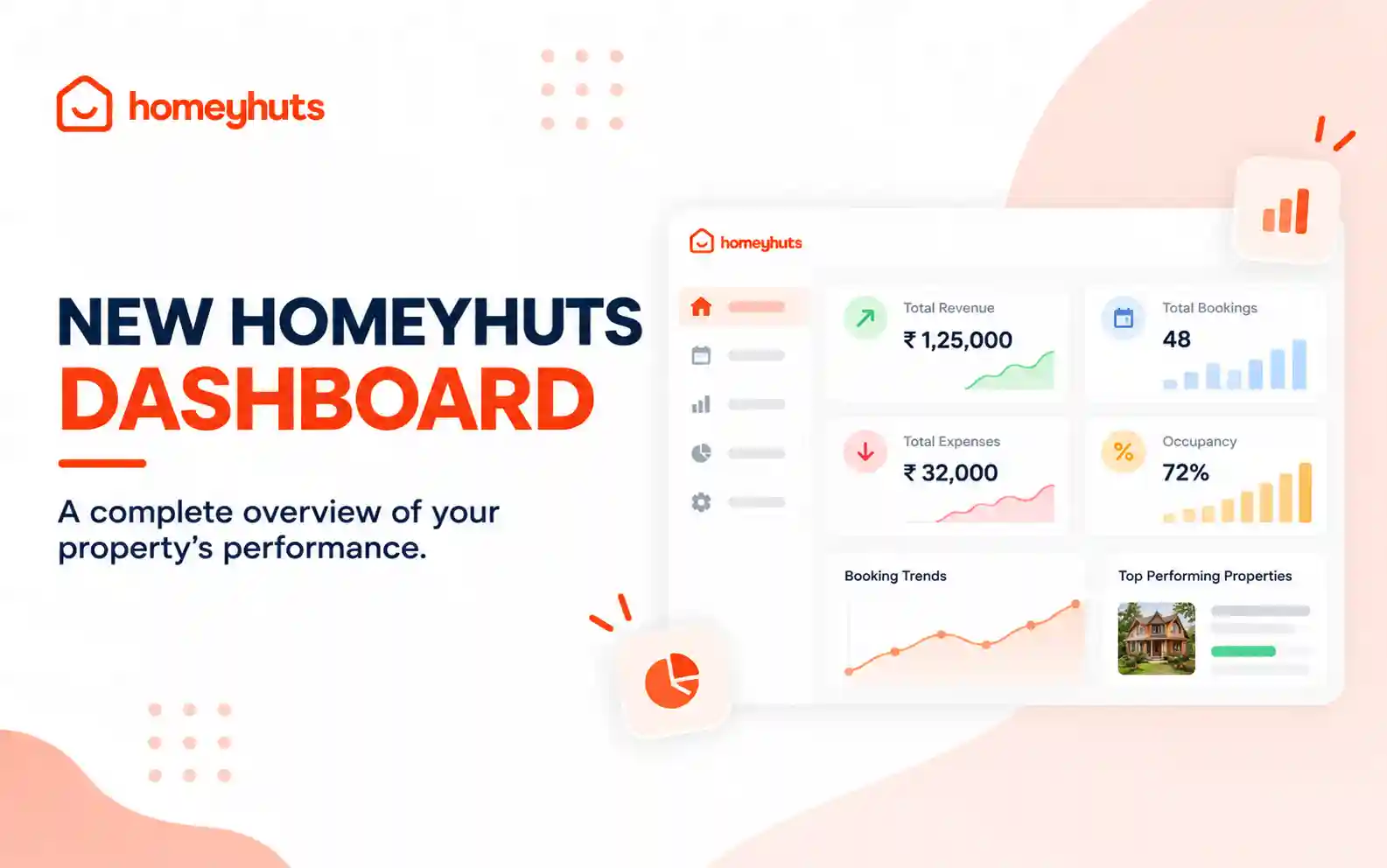
New Homeyhuts Dashboard: A Complete Overview of Your Property's Performance
Get a complete view of your property's financial performance, bookings, expenses, and occupancy with the new Homeyhuts Dashboard. Track revenue, analyze booking trends, compare property-wise performance, and monitor upcoming occupancy all in one place.
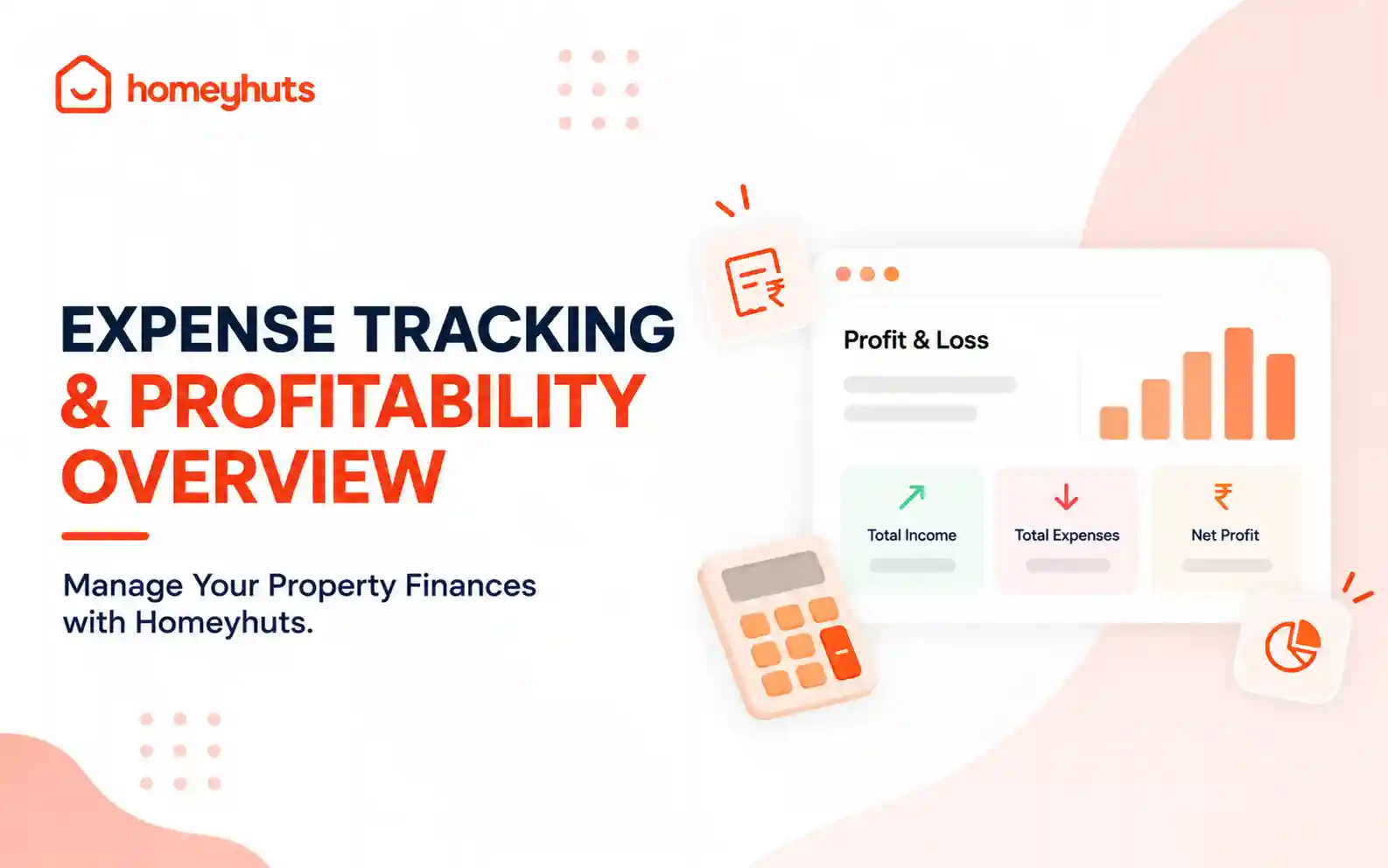
Expense Tracking & Profitability Overview: Manage Your Property Finances with Homeyhuts
Track and manage your property expenses with Homeyhuts. Record spending, organise expenses, and view your property's earnings, total expenses, and net income through a property-wise Profit & Loss (P&L) statement all in one place.