


What to Do if a Guest Damages Your Property: A Comprehensive Guide
Renting out your property requires trust. Most guests are careful, but accidents happen. This guide gives steps to handle guest damage professionally, protecting your property and keeping future guests happy!
1. Stay Calm and Assess the Damage
Initial Reaction:
- Stay Calm: Reacting angrily or emotionally can escalate the situation. Take a moment to breathe and approach the issue calmly.
- Immediate Assessment: Evaluate the extent of the damage as soon as you discover it. Take detailed notes and photographs to document the damage.
Example: If a guest accidentally breaks a lamp, calmly take a photo of the broken lamp, noting the time and date. This documentation will be useful for insurance claims or discussions with the guest.
2. Communicate with the Guest
Approach the Topic Diplomatically:
- Contact the Guest: Politely inform the guest about the damage. Most guests will be willing to cooperate and may offer to pay for the damages.
- Ask for Details: Inquire how the damage occurred. This helps you understand the context and avoid similar issues in the future.
Example: If a guest spills wine on the carpet, you could say, “I noticed a wine stain on the carpet. Can you please let me know how this happened? We need to address it to prevent further damage.”
3. Estimate Repair Costs
Obtain Quotes:
- Professional Assessment: Contact professionals to get estimates for repairing or replacing the damaged item.
- Cost Comparison: Compare quotes to ensure you’re getting a fair price for the repairs.
Example: For the stained carpet, contact a professional cleaning service to get an estimate for removing the stain or replacing the carpet if necessary.
4. Review Your Policies and Agreements
Check the Documentation:
- Review Rental Agreement: Look at the rental agreement to see if it covers damages and the guest’s responsibilities.
- Insurance Policies: Check if your property insurance or any specific host insurance covers the damage.
Example: Your rental agreement might state that guests are responsible for damages exceeding normal wear and tear, giving you a basis for discussing compensation.
5. Seek Compensation
Discuss with the Guest:
- Negotiate Fairly: Present the repair costs to the guest and discuss how they will compensate for the damages. Be reasonable and open to negotiation.
- Formal Request: If needed, send a formal request for payment through the booking platform.
Example: If the professional cleaning service charges $150 to clean the wine stain, present this cost to the guest and agree on how they will pay.
6. Use the Platform's Resolution Center
Leverage the Booking Platform:
- Report the Incident: If the guest refuses to pay, use the resolution center provided by the booking platform (e.g., Airbnb, HomeAway) to mediate the situation.
- Submit Evidence: Provide all documentation, including photos, repair estimates, and communication with the guest.
Example: Submit the photo of the wine stain, the cleaning service estimate, and your messages with the guest to Airbnb’s resolution center to seek reimbursement.
7. Implement Preventative Measures
Learn and Adapt:
- Improve House Rules: Update your house rules to prevent similar incidents in the future. Clearly communicate these rules to guests.
- Security Deposits: Consider implementing a security deposit for future bookings to cover potential damages.
Example: Add a rule prohibiting wine consumption in carpeted areas and introduce a $200 security deposit that can be used for any necessary repairs.
8. Maintain Good Relations
Balancing Professionalism with Hospitality:
- Follow Up: Once the issue is resolved, follow up with the guest to ensure there are no hard feelings. Maintaining good relations can help avoid negative reviews.
- Positive Feedback: If the guest cooperates well, leave positive feedback highlighting their willingness to resolve the issue.
Example: After resolving the wine stain issue, thank the guest for their cooperation and understanding, and consider leaving a review that acknowledges their responsibility.
Example Scenario: Handling Major Damage
Imagine a scenario where a guest accidentally damages a piece of furniture, like a coffee table. Here’s how to handle it step-by-step:
Step 1: Stay Calm and Document You find the coffee table broken after the guest checks out. Take photos and note the damage.
Step 2: Contact the Guest Email the guest politely: “I hope you enjoyed your stay. I noticed the coffee table is damaged. Can you please explain what happened?”
Step 3: Get Repair Quotes Contact a furniture repair service and get an estimate of $250 for fixing the table.
Step 4: Review Policies Check your rental agreement and find that it states guests are responsible for any damages.
Step 5: Seek Compensation Inform the guest of the repair cost and discuss how they will cover it. They agree to pay $250 through the booking platform.
Step 6: Use the Resolution Center If the guest refuses, submit your documentation to the booking platform’s resolution center.
Step 7: Prevent Future Incidents Update your house rules to include more specific guidelines on furniture use and consider a higher security deposit for future bookings.
Step 8: Follow Up Thank the guest for their understanding and cooperation, and leave a positive review highlighting their willingness to resolve the issue.
Conclusion
Handling property damage caused by guests can be challenging, but by staying calm, communicating effectively, and following the steps outlined above, you can manage such situations professionally and maintain the quality of your property. Learning from each incident helps you improve your hosting practices, ensuring future guests have a safe and enjoyable stay while protecting your investment.
Was this article helpful?
Related in Homeyhuts App Tutorials
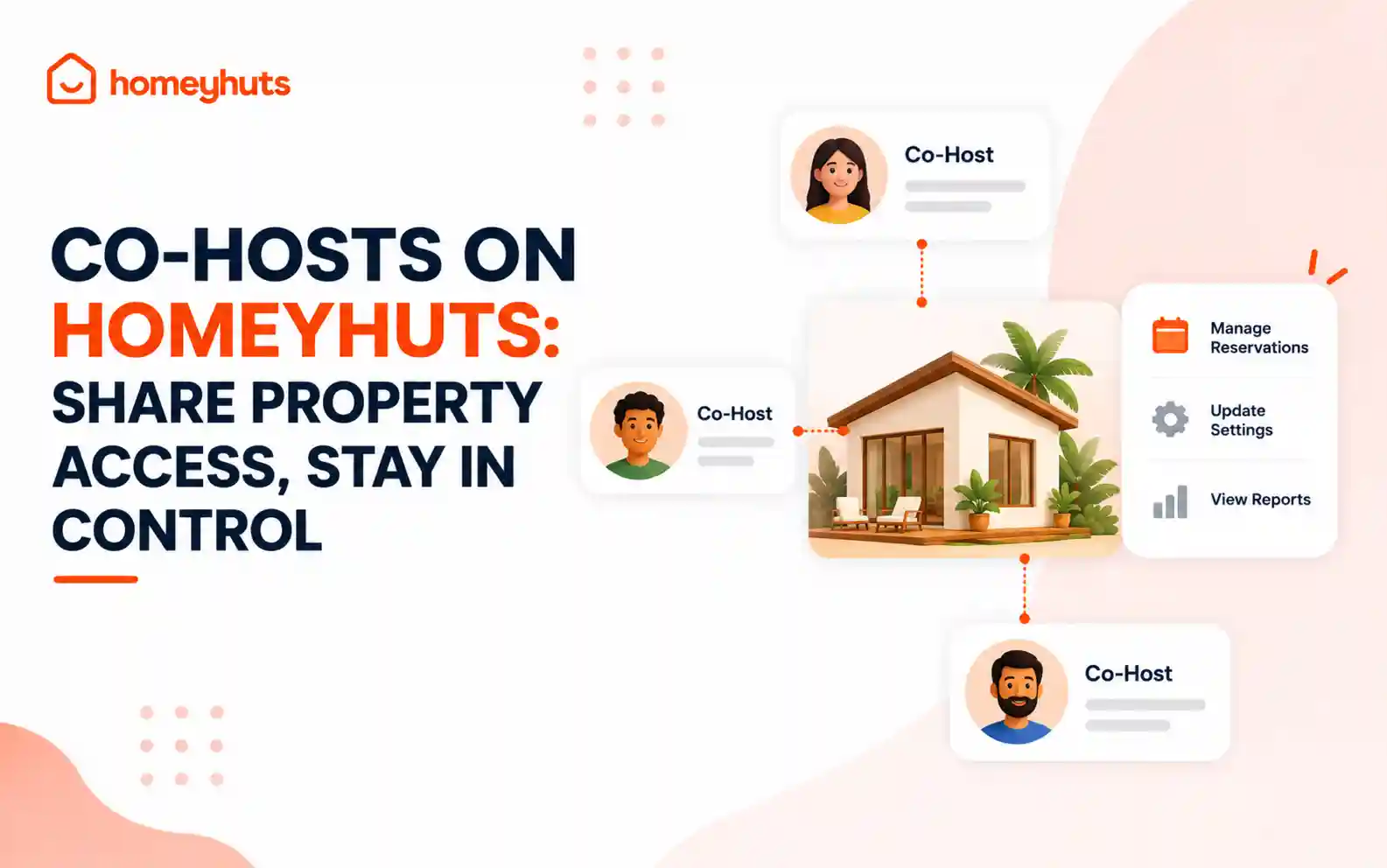
Co-Hosts on Homeyhuts: Share Property Access, Stay in Control
Invite up to 10 co-hosts to help manage your property on Homeyhuts. Choose exactly what each co-host can view or manage, customise their access at the listing level, and track their activity—all without sharing your login credentials.
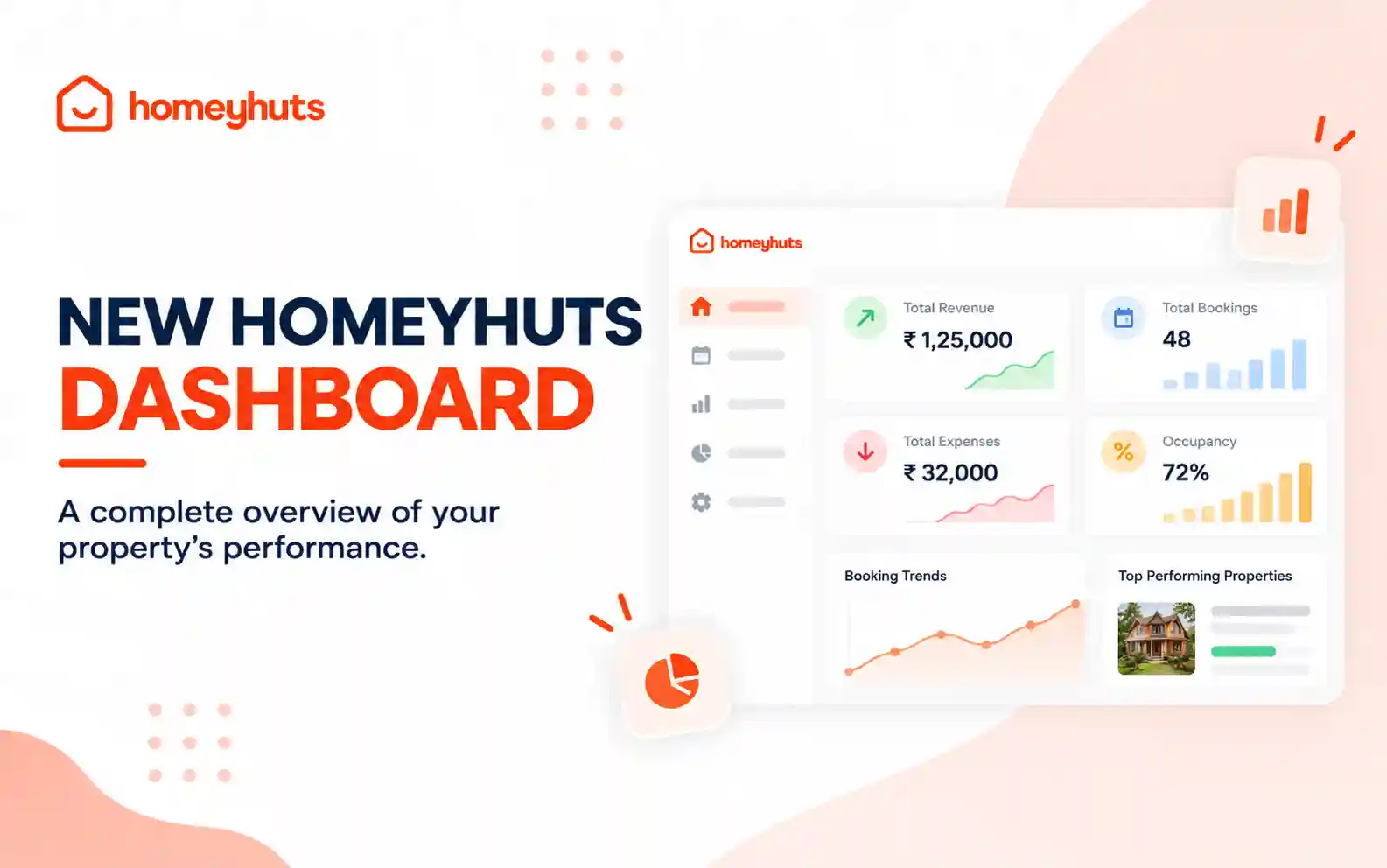
New Homeyhuts Dashboard: A Complete Overview of Your Property's Performance
Get a complete view of your property's financial performance, bookings, expenses, and occupancy with the new Homeyhuts Dashboard. Track revenue, analyze booking trends, compare property-wise performance, and monitor upcoming occupancy all in one place.
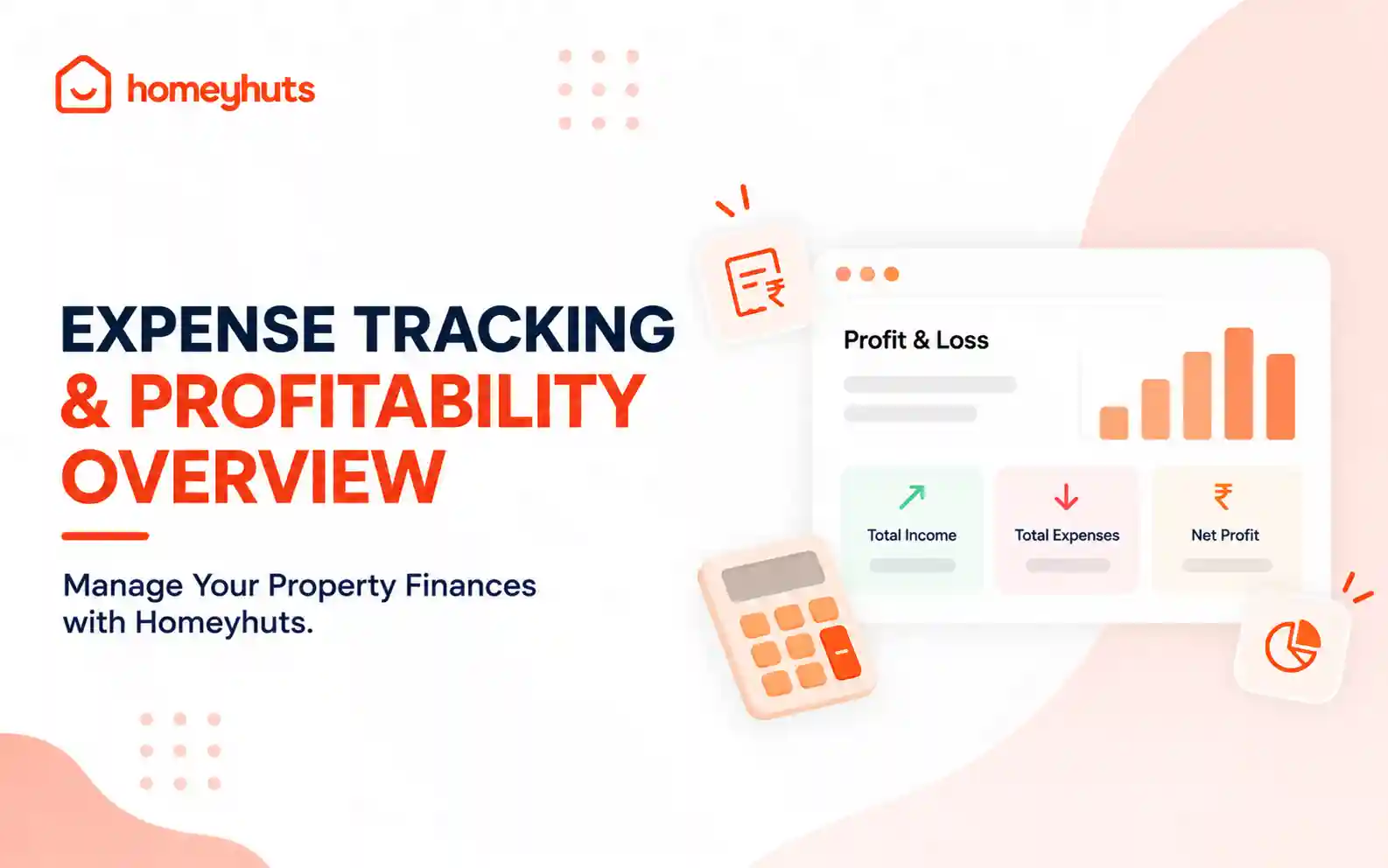
Expense Tracking & Profitability Overview: Manage Your Property Finances with Homeyhuts
Track and manage your property expenses with Homeyhuts. Record spending, organise expenses, and view your property's earnings, total expenses, and net income through a property-wise Profit & Loss (P&L) statement all in one place.